

Closing a credit card can affect your credit score, but it doesn't automatically cause damage. The impact depends on your overall credit profile—things like how much debt you're carrying, how long you've had the account, and how much available credit you have across your cards.
You may consider closing a card to simplify your finances, avoid annual fees, or reduce the temptation to spend. Before you make that decision, it helps to understand what happens when you close a credit card and how to minimize any potential impact.
Does Closing a Credit Card Hurt Your Credit Score?
It can, but not always.
Two major factors influence whether closing a card affects your credit score.
1. Credit Utilization Ratio
Your credit utilization ratio measures how much of your available credit you're using. For example, if you have $10,000 in total credit limits and carry a $3,000 balance, your utilization is 30 percent.
When you close a card, your total available credit decreases. For example, if you have $10,000 in total credit limits and carry a $3,000 balance, your utilization is 30 percent. If you close a card with a $5,000 limit, your total available credit drops to $5,000, and your utilization jumps to 60 percent.
If you carry balances on other cards, this increase in utilization can lower your score. The Consumer Financial Protection Bureau explains that credit utilization is one of the key components used in calculating credit scores.
2. Length of Credit History
Older accounts contribute to the average age of your credit history. If you close one of your oldest cards, it may eventually reduce your average account age, which can affect your score over time.
Credit reporting agencies such as Experian also note that length of credit history and utilization are important scoring factors.
That said, the actual impact varies from person to person. If you have multiple accounts, low balances, and a long history, closing one card may not significantly change your score.
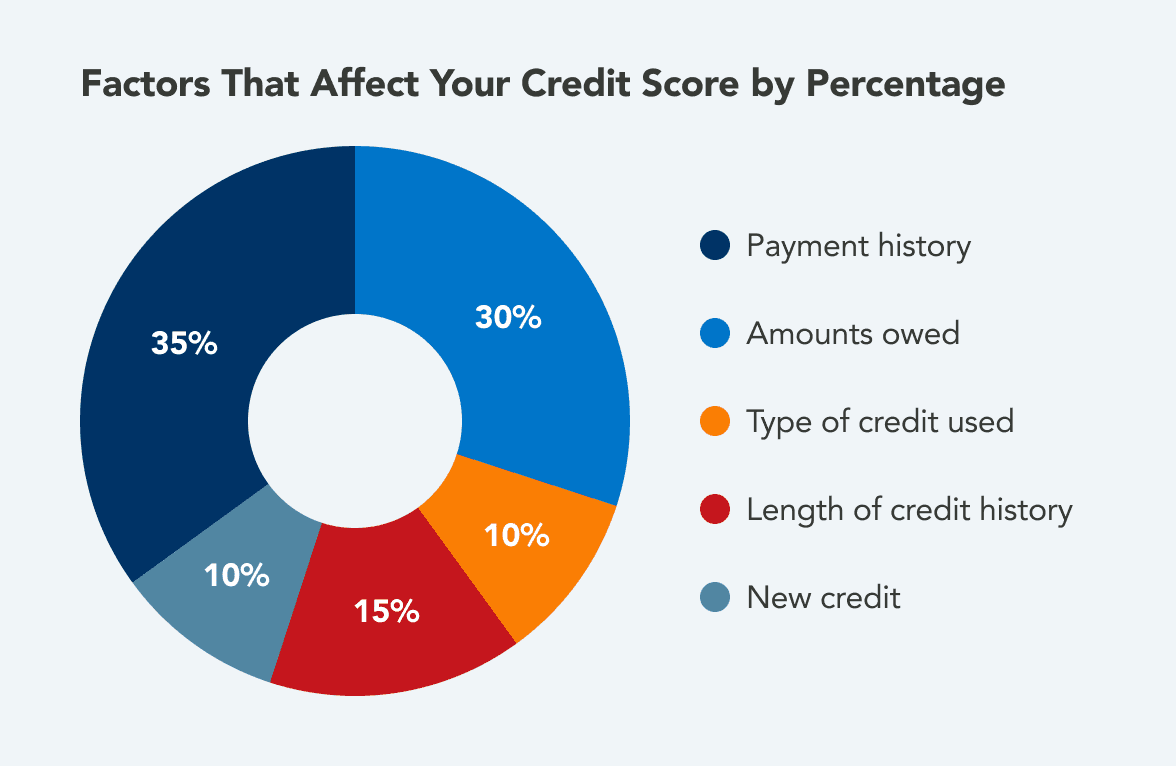
Source: Experian
What Happens When You Close a Credit Card?
When you close a credit card:
- You can no longer make new purchases on the account.
- Your available credit limit decreases.
Your credit utilization ratio may increase if you carry balances on other cards, which can negatively impact your credit score.
Even after you close the account, it may remain on your credit report for several years.
If the card has a balance, you are still responsible for paying it off. Closing the account does not eliminate what you owe, and interest may continue to accrue until the balance is paid in full.
Understanding these mechanics can help you evaluate whether closing a card aligns with your broader financial goals.
Is It OK to Cancel a Credit Card?
In some cases, yes.
It may make sense to cancel a credit card if:
- The card's annual fee is high and no longer worth the cost.
- You have multiple cards with similar benefits.
- You rarely use the account and prefer to simplify your finances.
However, you may want to pause before closing a card if:
- It is one of your oldest accounts.
- It makes up a large portion of your available credit.
- You carry balances on other cards.
Instead of canceling, you can ask your issuer whether you can downgrade to a no-fee version of the card. This lets you preserve your credit history without paying an annual fee that no longer makes sense for you. However, you may lose rewards or perks associated with the original card.
Related: How Much of Your Credit Card Should You Use?
How to Close a Credit Card Without Hurting Your Credit
If you decide closing a card makes sense, there are steps you can take to reduce potential impact.
1. Pay Down Other Balances First
Lowering your overall balances before closing the account can help keep your credit utilization ratio stable. If you are working through high-interest balances, reviewing structured options for credit card debt relief may also help you build a more sustainable repayment plan.
2. Review Your Credit Utilization
Many financial experts suggest keeping utilization below 30 percent. If closing the card would push you above that threshold, consider waiting until your balances are lower.
3. Keep Older Accounts Open When Possible
If the card you're considering closing is your oldest account, keeping it open may help preserve the length of your credit history.
4. Ask About a Product Change
If your card has an annual fee, some issuers allow you to convert it to a different product, such as a no-fee version, without closing the account. This can help you avoid fees while maintaining account history, though the new card may offer fewer benefits.
5. Monitor Your Credit After Closing
After closing the card, review your credit report to ensure the account is reported accurately. You can access your reports through AnnualCreditReport.com, which is authorized by federal law to provide free reports.
Monitoring your score in the months following closure can help you understand how the change affected your profile.
Should You Close a Credit Card or Focus on Paying It Off?
Closing a credit card doesn't eliminate your balance. If your main concern is high-interest debt, directing extra payments toward reducing the principal may have a greater long-term financial impact than canceling the account.
Before deciding to close a card, consider whether:
- The interest rate is driving up the total cost.
- The balance is growing because you're only making minimum payments.
- The card is significantly increasing your credit utilization.
If repayment is the real priority, structured approaches such as the debt snowball or debt avalanche method may provide a clearer path forward.
Related: How to Pay Off $30,000 in Credit Card Debt
In situations where balances feel unmanageable, comparing options like debt consolidation loans or professional debt relief programs may address the underlying issue more directly than canceling a single account.
When Closing a Credit Card May Be Part of a Bigger Debt Plan
For some individuals, closing a credit card is less about interest and more about behavioral control.
If a specific card encourages overspending, creates recurring temptation, or complicates budgeting, closing it may support a broader effort to simplify your finances and reduce reliance on revolving credit.
This can be part of a larger strategy that includes:
- Reducing access to open credit lines.
- Consolidating balances into one structured payment.
- Evaluating whether debt settlement is appropriate for unsecured debt.
Debt settlement involves negotiating with creditors to resolve enrolled accounts for less than the full balance owed. It is typically considered when financial hardship makes minimum payments unsustainable.
Closing a credit card works best when it supports a clearly defined financial strategy rather than reacting to short-term stress.

FAQ
Does closing a credit card hurt your credit score?
Closing a credit card can affect your credit score, but the impact depends on your overall credit profile. When you close a card, your total available credit decreases. If you carry balances on other cards, this can increase your credit utilization ratio, which may lower your score. In some cases, closing one card has little impact. In others, especially if it's an older account or represents a large portion of your available credit, the effect may be more noticeable.
What happens when you close a credit card with a balance?
Closing a credit card does not erase your balance. You are still responsible for paying what you owe. The account will be closed to new purchases, but interest may continue to accrue until the balance is paid in full. Your required minimum payments remain the same, and missing payments can negatively affect your credit.
Is it OK to cancel a credit card you don't use?
It may be OK to cancel a credit card you don't use, especially if it carries a high annual fee. However, before closing it, consider how it affects your total available credit and the age of your credit history. If it's one of your oldest accounts or represents a significant portion of your credit limit, keeping it open could help protect your score.
How can I close a credit card without hurting my credit?
To reduce potential credit impact, consider paying down other balances first so your overall credit utilization stays low. Review how much available credit you would lose by closing the account. If the card has no annual fee, keeping it open with occasional small purchases may help preserve your credit history. You can also ask your issuer if a product change to a no-fee card is available instead of closing the account.
Does closing a credit card improve your credit score?
Closing a credit card does not usually improve your credit score. In fact, it may lower your score if it increases your utilization ratio or shortens your average account age. Improving your score typically involves making on-time payments, reducing balances, and maintaining a healthy mix of credit over time.
Should I close a credit card after paying it off?
Not necessarily. Paying off a credit card is generally positive for your credit profile. Keeping the account open may help maintain your available credit and support a lower utilization ratio. However, if the card has fees or no longer fits your financial needs, closing it may still make sense after reviewing the potential impact.
Is it better to close a credit card or leave it open?
In many cases, leaving a credit card open can support your credit score by preserving available credit and length of history. However, if the card encourages overspending or carries costly fees, closing it may align better with your broader financial goals. The right decision depends on your overall situation, including balances, payment history, and long-term plans.