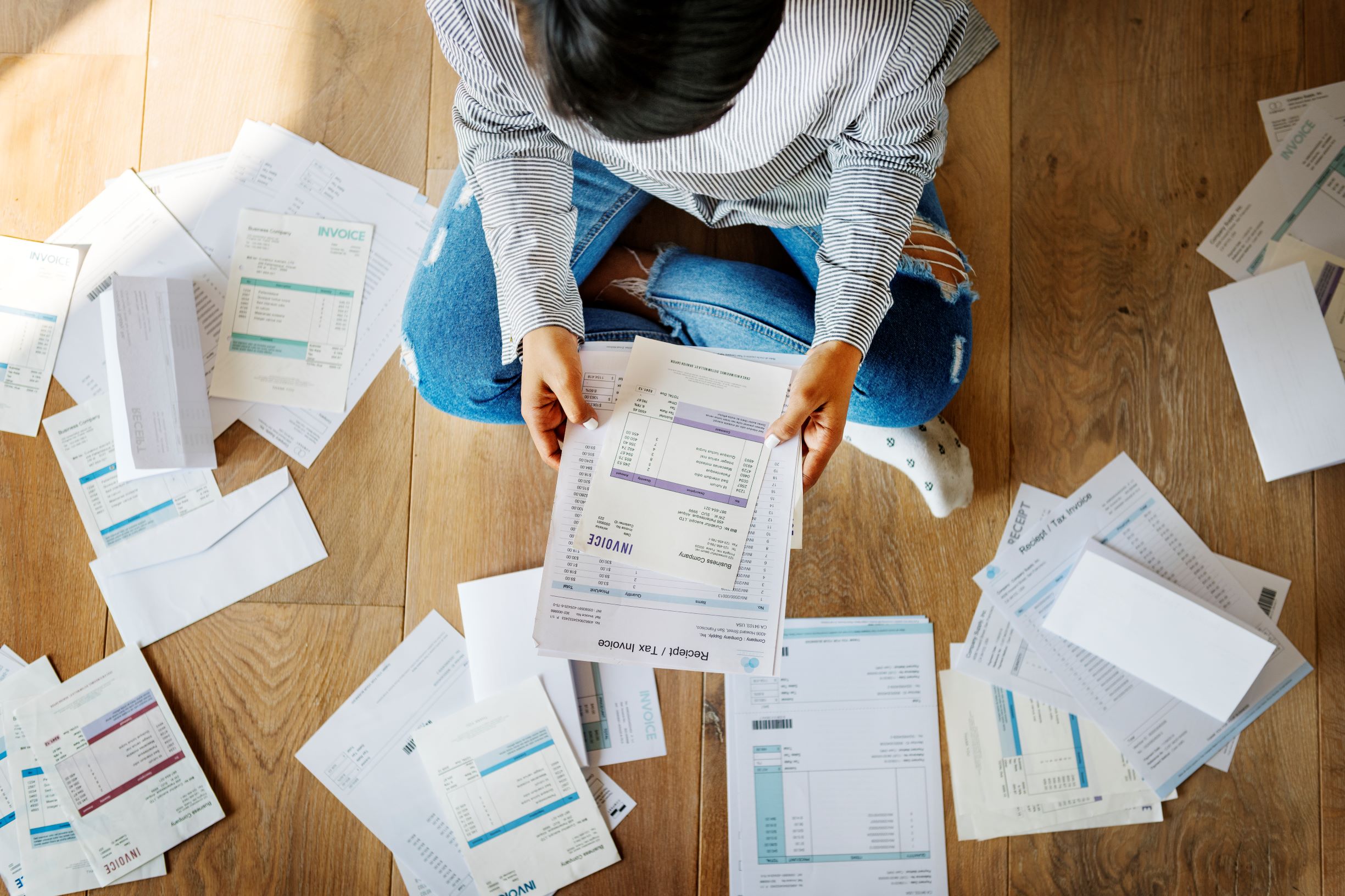
If you are trying to figure out the best way to pay down debt on your own, you should consider which method works best for you – the debt snowball or debt avalanche.
Read More
If you are trying to figure out the best way to pay down debt on your own, you should consider which method works best for you – the debt snowball or debt avalanche.
Read MoreTopics: Financial Wellness

Do you ever find yourself buying something impulsively? Delaying spending helps you save more and avoid impulse buys. It keeps your money aligned with your values and goals.
Read MoreTopics: Financial Wellness

In an ideal world, we would be saving and paying off debt at the same time, and even have resources to invest in the money market. But ideal worlds are rare and many people have to make a choice between paying off debt or saving for an emergency.
While paying off debt and saving money don’t need to be mutually exclusive, very often your personal finances don’t allow you to do both at the same time. Which one you pick depends on your financial expectations, goals in the future, and the priorities you have set for yourself and your household.
Topics: Financial Wellness

Whether multiple credit cards will help you or land you in debt depends solely on how you manage them. If you have out-of-control credit card debt, having more than one credit card is a bad idea because available credit may be a temptation you cannot resist. On the other hand, if you are never tempted to use your credit card inappropriately, having multiple credit cards can offer some advantages.
Read MoreTopics: Credit Card Debt

Sometimes, a card balance transfer from one credit card to another credit card makes good financial sense, but sometimes it doesn't. If you wonder if a balance transfer credit will fit your needs and save you money, here is what you need to know about this potential debt relief method.
Read MoreTopics: Debt Relief

You have just paid off your credit card and taken a big chunk out of your debt in the process. Congratulations! Now, you face a question: Does it make sense to close a paid-off credit card account?
Read MoreTopics: Credit Card Debt

Disclaimer: The following is for information purposes only and should not be viewed as legal advice and should not be relied upon without consulting an attorney.
It is legal for creditors to employ debt collectors to help them collect money that is due to them. However, when attempting to recover money from you, some debt collectors may resort to unfair, deceptive, or abusive practices in an effort to intimidate you.
Read MoreTopics: Financial Wellness

The Coronavirus Pandemic is causing financial hardship for many Americans, even forcing some to put important bills like rent on their credit cards. This could cause a massive increase in credit card debt when the pandemic is over.
Read MoreTopics: Credit Card Debt

Whether it's trying to maintain a certain lifestyle or prove your worth to others, it's easy to overspend. It's especially easy to stretch your financial limits in a society that encourages consumerism. Here are some of the most common reasons for overspending, along with some tips about what you can do to avoid these debt traps.
Read MoreTopics: Financial Wellness

Getting a debt consolidation loan can be tricky. Like other types of debt management plan options, approval for the best debt consolidation loan is dependent on factors like your credit score and debt-to-income ratio. When you are already struggling to pay your creditors, you may not qualify for a debt consolidation loan that will really help you.
Read MoreTopics: Debt Relief



©2026 ClearOne Advantage, All rights reserved.
ClearOne Advantage is a registered service mark of
ClearOne Advantage LLC.